4.7
Kids & Family
Woman Owned
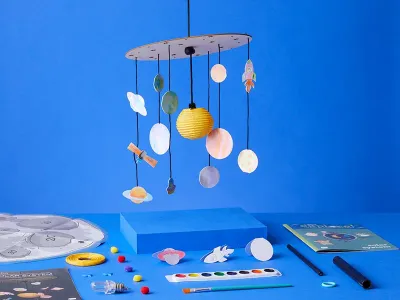
Kiwi Crate
STEAM subscription box for kids ages 6-9 with hands-on science, art, and engineering projects delivered monthly.
$23.95
/month
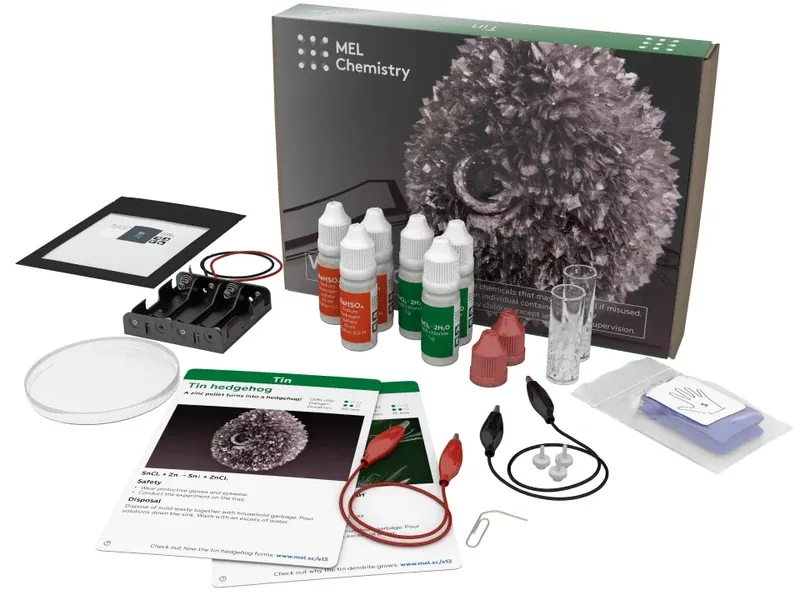
by MEL Science
Science experiment subscription for kids with real lab equipment, VR lessons, and hands-on chemistry and physics kits.
Ships from: Global
Ships to: Worldwide
MEL Science brings the excitement of real science experiments into your home with monthly kits designed for curious kids and teens. Each box includes everything needed for 2-3 experiments, plus access to VR lessons that explain the science behind each activity. From chemistry sets to physics projects, MEL makes learning engaging and memorable.
MEL Science was founded by scientists who believed that hands-on experimentation is the best way to learn. Since 2015, they’ve shipped millions of experiments to kids worldwide, making real science accessible and exciting for the next generation of innovators.
| Plan | Price/Month | Savings |
|---|---|---|
| Monthly | $39.90 | - |
| 6-Month | $36.90 | Save 8% |
| 12-Month | $34.90 | Save 13% |
Available Kits:
Every MEL Science box contains:
MEL Science’s monthly subscription cycle combines hands-on experimentation with immersive digital learning:
1. Choose Your Kit Type: Select the appropriate subscription based on your child’s age and interests. MEL Kids (ages 5-10) offers colorful, simple experiments introducing basic scientific concepts through play. MEL Physics (ages 8+) provides mechanical experiments exploring levers, electricity, magnetism, and motion. MEL Chemistry (ages 10+) delivers real chemical reactions using lab equipment and genuine reagents. MEL STEM (ages 14+) features advanced interdisciplinary projects combining multiple scientific fields. Each kit type is specifically designed for the cognitive and motor skill development of its age range, ensuring experiments are challenging but achievable.
2. Monthly Box Delivery: Receive your box around the same date each month containing all materials for 2-3 complete experiments along with professional-grade equipment such as test tubes, safety goggles, and measuring tools. Each box includes safety gear appropriate to the experiment complexity, detailed instruction cards with clear step-by-step guidance, and a parent/teacher guide explaining concepts and safety protocols. Access codes for VR/AR lessons are also included. Boxes typically arrive within 7-14 days for domestic shipping, with international delivery taking 2-4 weeks.
3. Access VR/AR Lessons (Optional but Recommended): Before or after conducting experiments, use the MEL Science app to explore immersive lessons. The app lets you view 3D molecular structures and chemical reactions at atomic scale, watch animated explanations of physics principles in virtual environments, and visualize concepts overlaid on physical experiments through AR mode. You can use smartphone VR with a cardboard viewer or dedicated VR headsets, and lessons run 5-15 minutes, perfectly paced for attention spans. While VR is optional, users report it significantly enhances understanding by visualizing invisible concepts like molecular bonds or electric currents.
4. Set Up Experiment Workspace: Before starting, prepare a clear, flat surface such as a kitchen table or dedicated science area with adequate lighting for reading instructions. Ensure safety gear is donned including goggles and gloves if provided. Adult supervision should be present for chemistry and complex physics experiments. Keep clean-up materials nearby including paper towels and a waste container. MEL experiments are generally low-mess compared to DIY science projects, but preparation prevents accidents.
5. Conduct Experiments: Follow step-by-step instructions that include clear photos showing what each step should look like, warnings about potential hazards or tricky steps, explanations of what is happening scientifically during the experiment, and questions prompting critical thinking such as “What do you think will happen next?” Most experiments take 20-60 minutes, though some complex chemistry sets may require 90+ minutes. Kids typically work with minimal adult intervention once setup is complete, though younger children ages 5-8 need more guidance.
6. Observe and Document Results: Experiments are designed to produce impressive, observable results. Chemistry reactions create color changes, gas production, or temperature shifts. Physics projects result in working models demonstrating principles. MEL Kids experiments deliver satisfying sensory experiences. Encourage kids to document observations in a science journal, take photos, or explain what happened to reinforce learning.
7. Explore Further (Extension Activities): Many boxes include suggestions for extending experiments such as modifying variables to test different outcomes, combining concepts from multiple months’ experiments, researching real-world applications of principles learned, and designing your own experiments using remaining materials. The parent/teacher guide includes discussion questions and extension ideas for deeper learning.
8. Manage Subscription: Through your MEL Science account you can pause deliveries during busy periods such as exams, vacations, or sports seasons, switch between kit types as your child ages or interests change, access the library of past experiments and lessons, order replacement materials if supplies run low, and cancel without fees on monthly plans. MEL encourages families to move between kit types. A 9-year-old might start with MEL Kids, transition to Physics at 10, then add Chemistry at 11 as interests develop.
9. Build Scientific Literacy Over Time: Monthly experiments gradually build lab skills and equipment familiarity, scientific method understanding including hypothesis, observation, and conclusion, confidence in STEM abilities, vocabulary of scientific terms, and safety awareness and responsibility. After 6-12 months, most kids show measurably increased science confidence and academic performance in school science classes.
10. Connect to School Curriculum: For homeschoolers and parents supplementing school science, experiments align with common core and state science standards, and parent guides explain how experiments connect to grade-level concepts. Kids can bring photos and results for show-and-tell or science fair projects, and teachers sometimes use MEL as classroom demonstration supplements.
MEL Science is designed for natural questioners who constantly ask “why?” and “how does this work?” These are kids who aren’t satisfied with surface-level explanations and want to see scientific principles in action. Hands-on learners who struggle with textbook learning but thrive when physically manipulating materials will find MEL experiments particularly engaging.
Homeschool families represent a core audience, as MEL provides curriculum-aligned STEM content with structured learning that doesn’t require parents to source lab equipment or design experiments themselves. Future scientists and engineers showing early interest in STEM careers benefit from early exposure to real lab equipment and scientific methodology. The subscription also appeals to screen-time-conscious parents seeking educational activities that compete with video games while providing offline, tactile learning experiences.
Both science-curious beginners needing engaging entry points and gifted students craving more complex, college-prep level experiments find value in MEL. Teachers use the kits for supplemental hands-on demonstrations, and families seeking structured quality time appreciate the parent-child bonding opportunities. Visual and kinesthetic learners who learn best by seeing (VR/AR) and doing (experiments) rather than reading thrive with this approach.
Skip MEL Science if: You have very young children under 5 who lack fine motor skills and safety awareness for experiments without constant adult intervention. Families uncomfortable with real chemicals (acids, bases, reactive metals in MEL Chemistry) should consider craft-focused alternatives instead. Parents unable to supervise many experiments, especially chemistry sets, need simpler independent activities.
Kids who dislike following precise instructions will struggle with MEL’s detailed step-by-step experiments. At $34.90-39.90/month, MEL is premium-priced compared to $20-25 craft/STEM boxes, making it challenging for extremely budget-conscious families. Those wanting only safe, simple crafts may find MEL’s real chemistry experiments too advanced.
Impatient children needing instant gratification will lose interest in experiments taking 30-90 minutes. Lab equipment accumulates over time, so families without storage space for test tubes, beakers, and tools should consider this. While VR is optional, families without smartphones or VR viewers miss 40-50% of the educational content. Those needing specific state curriculum alignment should note that MEL aligns broadly with science standards but isn’t tailored to specific testing requirements.
MEL Science works exceptionally well for curious 8-14 year olds with supportive parents willing to supervise experiments and provide space for scientific exploration. The 4.0/5 Trustpilot rating (623 reviews) reflects generally satisfied customers who appreciate the genuine scientific rigor, though some find the price point high compared to simpler STEM alternatives. Starting with a month-to-month subscription helps determine fit before committing to discounted long-term plans.
Excellent
Based on 6 rating factors · customer experience from Trustpilot only
Ratings for Kids & Family boxes are weighted based on category-specific factors.
Based on analysis of customer reviews and expert evaluations. Learn more
BBB Rating
Not Accredited
positive · r/homeschool
Years Active
Since 2015
What Redditors Say in r/homeschool
"Real science experiments praised; VR lessons add value. Homeschool parents love curriculum alignment"
Research sources:
Trust indicators are sourced from public data and may not reflect the most current information.
MEL Science starts at $34.90/month. Pricing may vary based on subscription length, with longer commitments typically offering better per-box rates. Visit their website for current pricing and any available discounts.
Each MEL Science box includes: 2-3 real hands-on experiments per box using professional-grade lab equipment, Safe materials and detailed safety instructions for home experimentation, VR and AR lessons providing immersive explanations of scientific concepts, Step-by-step video instructions for each experiment with clear guidance, and more.
Most subscription boxes, including MEL Science, allow cancellation. Policies vary - some require completing a minimum term, while others offer cancel-anytime flexibility. We recommend checking their cancellation policy before subscribing.
Based on our research, MEL Science has an overall rating of 4.5 out of 5 (Excellent). Customers on Trustpilot rate it 4.0/5 across 623 reviews. The company has a NR rating with the Better Business Bureau. Check our detailed rating breakdown above to see how it performs on specific factors.
MEL Science experiments use real chemicals and lab equipment but are designed with safety as a priority. Kits include safety goggles, detailed safety instructions, and age-appropriate materials. Adult supervision is recommended, especially for chemistry experiments.
No, VR is optional but enhances the experience. The VR lessons explain scientific concepts in immersive 3D, but all experiments work without VR. A VR headset is sold separately or you can use a smartphone with a cardboard viewer.
MEL Chemistry (ages 10+) focuses on chemical reactions and experiments. MEL Physics (ages 8+) covers mechanics, electricity, and physical principles. MEL Kids (ages 5-10) offers simpler, colorful experiments appropriate for younger children.
Yes, MEL Science is popular with homeschool families because experiments are curriculum-aligned and include detailed educational content. The hands-on approach makes science tangible in ways textbooks cannot. Parent guides support teaching.
We may earn a commission if you subscribe through our links, at no extra cost to you. Commissions never influence our ratings: every score is derived from the rating factors and verified Trustpilot and BBB data shown on this page. See our methodology for details.
Have more questions? Visit the MEL Science website or check our rating methodology.
STEAM subscription box for kids ages 6-9 with hands-on science, art, and engineering projects delivered monthly.
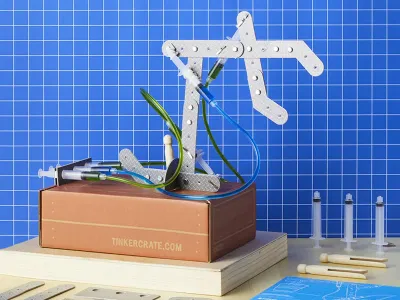
STEM subscription box for tweens ages 9-12 with hands-on engineering projects that build real working creations.
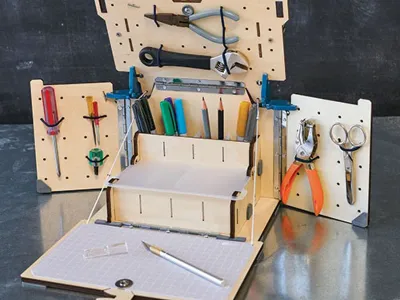
Advanced STEM subscription for teens and adults 14+ with sophisticated engineering projects and premium materials.